
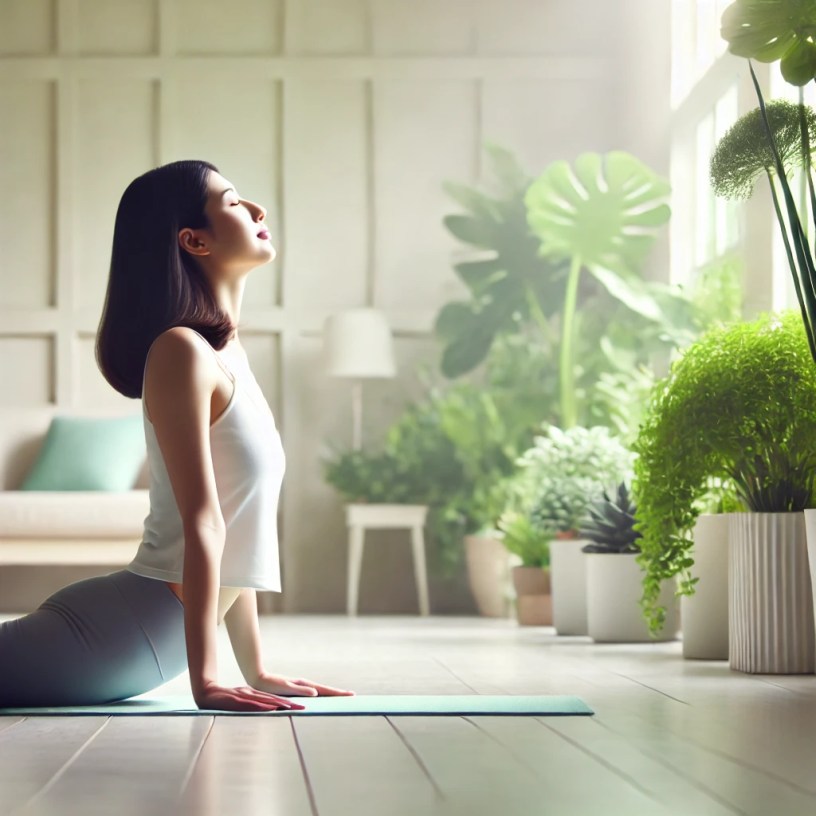
Hormonal balance affects almost every aspect of a woman’s wellbeing. It influences energy levels, mood stability, digestion, sleep patterns, skin clarity and even long term metabolic health. In modern urban environments, many women experience fluctuating hormones due to stress, irregular routines, demanding work schedules and limited time for mindful movement. This is why more women in the city have started exploring supportive environments such as yoga places in Singapore, where their physical and emotional needs are addressed through thoughtful practices that connect breath, movement and relaxation.
Several women find that consistent yoga practice helps regulate their hormonal rhythms by reducing stress, supporting endocrine function and improving circulation to key systems in the body. Unlike self guided home sessions, studio based classes offer a structured environment with guidance, proper pacing and intentional sequencing. These elements work together to encourage the body back into a natural state of internal harmony. Later in the article, there will also be a mention of Yoga Edition, one of the local studios known for offering practices that support women’s wellbeing.
Understanding Hormonal Balance in a Woman’s Body
Hormones are chemical messengers that regulate mood, metabolism, reproduction, sleep and growth. Throughout different phases of life such as puberty, the reproductive years, pregnancy and perimenopause, hormone levels shift naturally. The challenge begins when external factors disrupt this natural rhythm.
Common disruptors include:
-
High stress levels
-
Poor sleep
-
Irregular or rushed meals
-
Sedentary routines
-
Long periods of screen exposure
-
Emotional overload
-
Overtraining without proper recovery
When these factors build up, women may experience mood swings, fatigue, digestive discomfort, irregular cycles, low energy or a sense of being constantly overwhelmed. Yoga studios in Singapore create safe, calming environments that counter these disruptors and help women restore balance.
Why Stress Reduction Is the Foundation of Hormonal Health
Stress affects hormones more than most people realise. When the body stays in a high alert state for long periods, cortisol increases. High cortisol disrupts progesterone, affects thyroid hormones and impacts insulin sensitivity. These imbalances often lead to bloating, cravings, mood changes and dysregulated sleep.
Many yoga studios in Singapore focus on calming practices that help lower stress responses. Gentle breathwork, mindful movement and restorative postures shift the body into a parasympathetic state where healing can occur.
Key stress reducing practices include:
-
Long, slow exhalations
-
Supported reclining poses
-
Guided relaxation
-
Slow paced flows
-
Grounding meditation
These practices teach the brain and body to slow down. When stress lowers, hormonal systems begin to stabilise naturally.
The Importance of Breathwork for Endocrine Function
Breathwork is a powerful tool for women dealing with hormonal fluctuations. Deep, controlled breathing increases oxygen flow and improves circulation to glands such as the adrenals, thyroid and pituitary. These glands play a central role in hormonal communication.
Instructors in yoga spaces often teach breathing techniques that:
-
Calm the nervous system
-
Reduce adrenaline spikes
-
Improve sleep quality
-
Support thyroid and metabolic balance
-
Reduce anxiety linked to hormone shifts
Breath led movement creates a calmer rhythm inside the body. Over time, this rhythm supports more regular monthly cycles and improved emotional steadiness.
How Movement Sequences Support Hormonal Health
Structured movement sequences have a direct effect on glandular health. When poses are arranged thoughtfully, they stimulate blood flow to reproductive organs, support digestion and reduce tension in the abdominal area.
Common poses that support hormonal balance include:
-
Twists that improve digestion
-
Hip openers that release pelvic tension
-
Gentle backbends that stimulate the adrenal region
-
Forward folds that calm the mind
-
Supported inversions that improve circulation
Studios in Singapore use intelligent sequencing where each movement prepares the body for the next. This careful pacing helps women avoid overstimulation while still receiving the benefits of improved circulation and hormonal support.
Pelvic Health and the Role of Dedicated Yoga Studios
Pelvic health plays a major role in hormonal balance, especially for women in their reproductive years or approaching perimenopause. Many women carry stress in the hips, glutes and pelvic floor without realising it. Tightness in this region can affect blood flow, digestion and even menstrual comfort.
Studio based classes allow women to explore:
-
Relaxation of overactive pelvic muscles
-
Activation of weak areas
-
Improved pelvic awareness
-
Safe strengthening without strain
-
Breath linked pelvic relaxation
These practices help create more balanced function in the reproductive and digestive regions, leading to improved hormonal regulation.
Restorative Yoga and Its Effect on Sleep Hormones
Sleep quality is strongly connected to hormonal balance. Melatonin, the sleep hormone, influences cortisol levels, reproductive hormones and even metabolic rhythms. Many women in Singapore struggle with sleep due to stress, late work hours, overthinking or digital overload.
Restorative classes in yoga studios offer an effective solution. With the help of props and guided stillness, the body enters a deep rest state similar to high quality sleep.
Benefits include:
-
Improved sleep rhythms
-
Reduced nighttime anxiety
-
Better recovery for the nervous system
-
Lower inflammation
-
Balance between wake and rest cycles
Women who attend restorative sessions regularly often report that their sleep improves within a few weeks.
The Role of Community and Safe Space for Emotional Balance
Women often navigate multiple responsibilities, including work commitments, home routines and caregiving roles. Emotional pressure can directly affect the endocrine system. Yoga spaces in Singapore provide a calm, supportive environment where women can practise without judgement or rush.
Emotional balance is supported through:
-
Shared community energy
-
Encouragement from instructors
-
A predictable, grounding routine
-
Mindfulness practices
-
Space to unwind mentally
This emotional support plays a large role in stabilising hormones linked to stress and mood regulation.
The Impact of Consistent Practice on Hormonal Rhythms
Hormonal balance does not shift overnight. It stabilises gradually through repeated stimulation of the parasympathetic system and gradual release of physical tension. Women who attend classes consistently see noticeable improvements in their hormonal cycles and daily comfort levels.
Consistent practice supports:
-
More regular menstrual cycles
-
Reduced PMS symptoms
-
Better stress tolerance
-
More stable moods
-
Improved energy throughout the day
-
A calmer digestive system
For many women, consistency becomes easier in a studio environment where practice feels structured and grounded.
How Mindfulness Enhances Hormonal Health
Mindfulness is woven into many yoga classes. It encourages women to observe their physical sensations and emotions without judgement. This awareness reduces emotional reactivity, which lowers cortisol spikes and supports better hormonal balance.
Mindfulness enhances hormonal health by:
-
Reducing overthinking
-
Encouraging emotional processing
-
Improving concentration
-
Supporting steadier energy levels
-
Creating a sense of internal calm
Women who incorporate mindfulness into their routine often experience more stable hormonal patterns and improved emotional resilience.
Real Life Changes Women Experience After Joining Yoga Studios
Women who attend regular studio sessions often share meaningful improvements in both their physical and emotional health. These changes extend beyond flexibility and strength.
Common real life improvements include:
-
Better sleep
-
Reduced bloating and digestive discomfort
-
Lower stress
-
More predictable cycles
-
Reduced tension in hips and lower back
-
Better mood balance during hormonal transitions
These improvements help women feel more in control of their wellbeing.
How Studio Ambience Supports Hormonal Stability
The ambience in yoga studios plays a surprisingly large role in balancing hormones. Lighting, scent, temperature and sound all influence the nervous system, which affects hormone production. A calm environment reduces sensory overload and helps the body release tension.
Certain ambience related features that help include:
-
Soft lighting that reduces visual strain
-
Warm air that supports muscle release
-
Quiet acoustics that promote mental calm
-
Clean, spacious layouts that reduce overwhelm
In the later part of many women’s practice journey, they explore supportive spaces like Yoga Edition, where atmosphere and structure work together to encourage a balanced internal state.
FAQ
Q. How long does it take to notice hormonal improvements through yoga?
Most women notice emotional or physical changes within four to six sessions. Long term balance improves with regular practice over several weeks.
Q. Can yoga help with PMS or menstrual discomfort?
Yes. Gentle movement, breathwork and restorative practices often reduce cramps, bloating and mood fluctuations linked to PMS.
Q. Is yoga suitable for women experiencing perimenopause?
Absolutely. Many women find that yoga supports hot flush control, mood stability and better sleep during this transition.
Q. Will yoga help reduce stress related hormone imbalances?
Yes. Stress reduction is one of the strongest benefits of yoga. Calmer hormone patterns follow when stress levels decrease.
Q. Do I need prior yoga experience to benefit from hormonal balancing practices?
No. Hormone supportive sessions are suitable for all levels. Instructors guide each movement safely and mindfully.
 Stay Fit & Healthy