
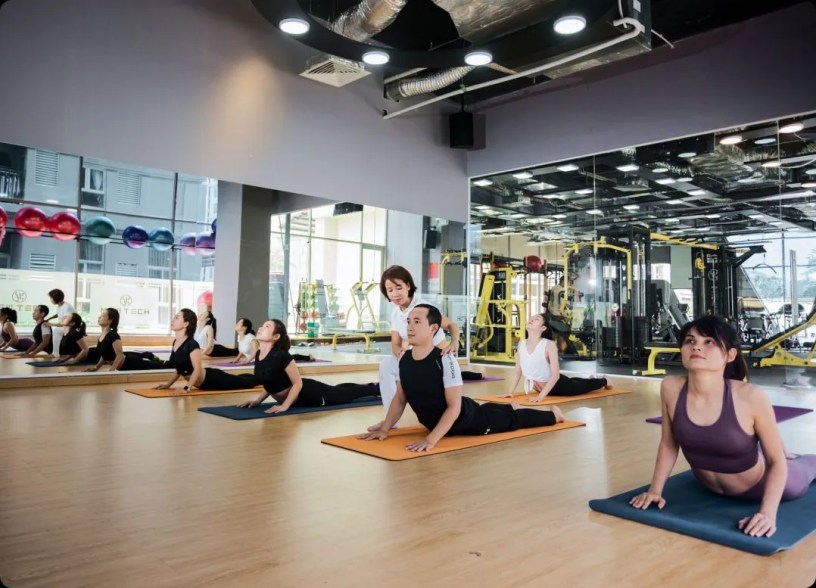
Fitness in Singapore is often shaped by packed work schedules, night activities, shift-based roles and the city’s fast pace. Many people squeeze workouts into early mornings or late evenings without understanding how timing affects performance and recovery. As wellness becomes more scientifically informed, a new trend has emerged in the local fitness scene. More studios are designing sessions that align with the body’s circadian rhythm. This approach helps people train at times when their energy, hormones and temperature regulation are most supportive. For this reason, many turn to structured formats such as fitness classes singapore which provide thoughtfully timed sessions that match the natural body clock.
Circadian-friendly training is based on how the body’s internal rhythms influence strength, focus, endurance, flexibility and recovery. Since Singapore has no dramatic seasonal changes, the circadian rhythm remains stable year round which makes timed training even more impactful. This analysis explores why timing matters, how it affects workout results and how circadian-aligned fitness classes are reshaping training behaviours in Singapore.
Understanding Circadian Rhythm in Fitness
The circadian rhythm is a 24 hour internal cycle that regulates energy, alertness, temperature, hormone release and physiological readiness. Every person has a slightly different pattern based on genetics, lifestyle and work environment. Some feel strongest in the evening while others operate best shortly after sunrise.
In fitness, timing affects:
- Muscle activation potential
- Reaction speed
- Joint stiffness
- Metabolism
- Core body temperature
- Focus and coordination
When a workout matches the body’s high readiness window, the session feels more efficient.
Why Timing Matters in Singapore
Singapore presents a unique setting because many people work long or irregular hours. The city’s industries include hospitality, healthcare, logistics, aviation, retail and technology which all rely on rotating shifts. Even traditional office roles often run late. This means not everyone can train at conventional morning or evening times.
Circadian-friendly fitness classes offer an alternative. Instead of forcing the body into difficult timing, studios schedule sessions according to natural energy cycles. Members select classes that match their personal rhythms rather than trying to fit into fixed workout times.
How Singapore’s Climate Influences Training Timing
Singapore’s heat plays a big role in planning workouts. Temperature remains high throughout the day and humidity intensifies the perceived effort of movement. For many, mid afternoon is the toughest time to train because the body is already managing heat stress.
Circadian training allows members to choose sessions when the body handles temperature more efficiently. For example:
- Early morning offers better heat tolerance
- Late evening offers better calmness and focus
- Afternoon works best for strength output due to warm muscles
By matching this with the circadian rhythm, performance improves naturally.
Morning Classes: Ideal for Metabolic Activation
Morning sessions tap into the body’s natural cortisol peak. Cortisol is a hormone that helps regulate wakefulness and energy. When used properly, it enhances focus and movement readiness.
Why Morning Classes Work Well
- Lower body temperature reduces joint pressure
- Natural daylight regulates sleep afterwards
- Training early helps stabilise appetite control
- The mental boost carries into the workday
Morning fitness also fits people with early chronotypes, the ones who naturally wake up refreshed.
What Types of Classes Work Best in the Morning
- Mobility sessions
- Low impact conditioning
- Flow based strength training
- Skill focused workouts that need mental clarity
These classes tap into the body’s calm state while encouraging clean movement patterns.
Midday Classes: Navigating Heat and Heart Rate
Midday training is challenging for many due to Singapore’s climate. However, circadian aligned programmes offer moderate intensity sessions to avoid overheating.
Why Midday Training Has Value
The body’s core temperature rises naturally at noon. This increases muscle elasticity and reduces risk of strains. Reaction time also improves around this period due to elevated alertness.
Ideal Midday Class Types
- Controlled strength circuits
- Technique refinement drills
- Movement pattern classes
- Moderate endurance work
These sessions take advantage of muscle pliability without pushing into heavy cardiovascular stress.
Evening Classes: Best for Maximum Power Output
Many people reach their physical peak between early and late evening. Strength, speed and endurance often hit their highest levels due to:
- Increased core temperature
- Better neuromuscular activation
- Higher reaction capability
- Greater mental decompression after work
Why Evening May Be the Strongest Timing
For people with late chronotypes, evenings feel natural. The nervous system shifts out of work mode which supports intensity. Muscles are warm and nutrient availability from meals throughout the day helps fuel performance.
Best Evening Class Categories
- High intensity conditioning
- Strength training
- Skill refinement under load
- Complex coordination based workouts
These leverage the body’s peak readiness.
How Studios in Singapore Adjust to Circadian Patterns
Fitness studios are increasingly using science backed scheduling. Classes are no longer placed randomly throughout the day. Instead, they are built around peak performance windows.
Structured Timing Blocks
- Morning: Low intensity and technique focused
- Afternoon: Moderate strength and mobility
- Evening: Strength, agility and performance based
This structure allows members to select sessions that match personal patterns.
Lighting, Music and Pace Adjustments
Morning classes often use softer lighting and slower progressions while evening sessions use energising rhythms and dynamic sequences.
Instructor Awareness
Coaches now monitor participants’ energy variations. They adjust cues, pace and progression according to the time of day.
Why Circadian-Friendly Training Works for Busy Singaporeans
People in Singapore often feel pressured to “find time” for fitness. Circadian aligned training flips the narrative. Instead of squeezing workouts into free slots, people schedule them to match their natural peaks.
Supporting Shift Workers
People working nights or rotations need alternative timing systems. Circadian programming offers flexible class structures that support recovery and performance.
Reducing Burnout
Training against your natural rhythm increases fatigue. Aligning with it brings smoother recovery and reduces stress.
Enhancing Long Term Adherence
When workouts feel easier and more enjoyable, people stick to them longer.
The Role of Technology in Understanding Personal Rhythms
Modern wearables and apps track energy cycles, sleep quality, heart rate variability and temperature. Members use these insights to choose classes aligned with their body’s signals.
Data helps individuals understand:
- When they feel strongest
- When coordination is sharpest
- When recovery is best
- When metabolism is highest
This supports smarter fitness decisions.
In the advanced stage of a training journey, many prefer structured environments like True Fitness Singapore where class schedules, coaches and pacing are designed to support personalised timing and quality performance.
FAQ
Can circadian-friendly training improve performance?
Yes. Training at your natural peak enhances strength, focus and endurance.
How do I know my best workout time?
Track energy levels, mood and performance for one to two weeks. Patterns will emerge.
Is evening training bad for sleep?
Not necessarily. Moderate intensity or well structured evening sessions often support better relaxation.
Can morning workouts increase energy for the whole day?
Yes. Morning training stabilises cortisol and improves alertness.
Is circadian training suitable for shift workers?
It is ideal for shift workers because it helps reset and support the body’s internal timing.
 Stay Fit & Healthy